- Sale! ▾
- Wing ▾
- Foil ▾
- Kitesurf ▾
- Windsurf ▾
- SUP ▾
- More ▾
- Info ▾

Foiling is one of the newer additions to the watersports world, and it has quickly become one of the most exciting ways to enjoy the wind and water.
While foils can be fitted to many different types of watercraft, one of the most approachable wind-powered foil sports for beginners is wing foiling.
Wing foiling involves riding a board with enough volume to float your weight, with a hydrofoil mounted underneath. You hold an inflatable wing, which harnesses the wind to propel you across the water and generate the speed needed to lift the board onto the foil.
Once the foil engages, the board lifts clear of the water and you glide along with very little resistance. The sensation is quite unlike traditional wind or watersports, and it's a huge part of what makes foiling so addictive.
Wing foiling can be enjoyed in a wide range of conditions, but choosing the right location and wind strength makes a huge difference when learning.
Some important things to consider:
One of the great things about wing foiling is that, with the right equipment, it can be enjoyed in a surprisingly wide range of wind conditions. However, beginners should prioritise manageable, consistent wind and a safe learning location over trying to maximise their time on the water.
With the correct beginner equipment, particularly a large, wide and stable board, wing foiling can be a relatively approachable sport to start learning.
In suitable conditions, many beginners can get onto the board, stand up and start moving under the power of the wing within their first session, initially with the foil remaining in the water.
The first skills involve learning how to handle the wing, balance on the board, understand wind direction and steer while maintaining a comfortable sailing position.
This initial stage can be surprisingly quick and rewarding. However, it's important to understand that moving around on the board and actually foiling are two quite different challenges.
Getting up onto the foil is where the learning curve really steepens.
To engage the foil, you need to generate enough speed for it to produce lift. This requires the right combination of wing size, wind strength, board control and foil setup.
Once you have enough speed, the foil begins to lift the board out of the water. This introduces a completely new challenge: balance.
Foiling is a unique sensation, and there is very little that can prepare you for the feeling of the board suddenly lifting underneath you. You need to develop a new understanding of balance, weight distribution and how small movements affect the foil.
Interestingly, people with strong surfing or other board-sport backgrounds sometimes need to unlearn certain instinctive riding positions. Foiling requires a different approach to balance and board control, and familiar habits don't always translate.
There will be plenty of falls along the way, but the progression is incredibly satisfying. Your first short flights gradually become longer and more controlled runs as your balance and confidence improve.
Once you're consistently foiling and can ride upwind, the sport opens up considerably. You can start returning to your starting point reliably, working on transitions and developing your gybes and other manoeuvres.
This is where wing foiling becomes an incredibly versatile sport.
Wave riding is one of the most popular advanced disciplines. Because a hydrofoil is so efficient, it needs considerably less power to keep moving than a traditional finned board. This allows riders to catch and ride smaller, lower-energy waves and even relatively featureless ocean swell that would be difficult to enjoy on a conventional surfboard.
You're not limited to small waves, though. Larger, steeper ocean swell can be incredibly exciting on a foil, offering long rides and a unique sensation of gliding across the water.
However, wave foiling brings additional risks. A foil has sharp edges and a rigid mast, and being tumbled in waves can result in contact with the equipment. Good wave awareness, appropriate equipment and plenty of space are essential.
Jumping and freestyle are also hugely popular advanced disciplines in wing foiling. With good technique, the speed and efficiency of a foil allow riders to launch into impressive jumps and perform rotations and other aerial manoeuvres.
There is also a huge amount of progression available in carving, pumping, transitions and linking multiple waves together.
One of the best things about wing foiling is that you can take it in so many different directions. Whether you're cruising in light winds, chasing waves or working on aerial tricks, there's always something new to learn.
The chart below gives a rough indication of how different riding styles fit into the progression from beginner to advanced.
These ratings are subjective and reflect the relative accessibility of each discipline at different skill levels, rather than how enjoyable it is. The right equipment, conditions and experience can make a big difference.
| beginner | intermediate | advanced | |
| freeride | ⭐⭐⭐⭐⭐ | ⭐⭐⭐⭐⭐ | ⭐⭐⭐⭐⭐ |
| wave riding | - | ⭐⭐⭐⭐ | ⭐⭐⭐⭐⭐ |
| jumps | - | ⭐⭐⭐ | ⭐⭐⭐⭐ |
| big air | - | ⭐ | ⭐⭐⭐ |
| freestyle | - | ⭐⭐ | ⭐⭐⭐⭐⭐ |
| speed | ⭐⭐ | ⭐⭐⭐ | ⭐⭐⭐ |
Wing foiling can be surprisingly accessible from a fitness perspective, particularly when learning with the right beginner equipment.
A large board, manageable wing size, lighter winds and flat water make the initial learning stages relatively undemanding. However, expect to spend a fair amount of time falling in, recovering your board and climbing back on. This can become tiring over a longer session.
When learning to engage the foil, you should expect plenty of falls. Repeatedly getting back onto the board, repositioning your wing and attempting another water start can be physically demanding and occasionally frustrating.
Once you're consistently riding on foil, the sport becomes much less physically intensive. The efficiency of the foil means you can glide across the water with very little resistance, and the wing requires relatively little effort to hold when correctly positioned.
For riders using a suitable harness setup, the physical demands can be reduced further.
However, advanced wave riding, jumping and freestyle will give you a workout. Smaller foils generally require more speed and technique to engage, while carving turns, pumping and launching into jumps all place greater demands on your body.
Overall, wing foiling offers a great balance between relaxed cruising and physically demanding advanced riding.
Wing foiling has an interesting learning curve when it comes to time investment.
Getting onto the board, standing up and moving under the power of the wing can happen relatively quickly. In this respect, it can provide some of the most immediate positive feedback of the wind sports.
However, learning to balance on the foil is a different story.
You should expect to invest several hours across multiple sessions before developing any reliable foil balance. For many riders, it takes time to progress from short, unstable flights to consistently foiling and confidently returning to their starting point.
The good news is that once you can foil, wing foiling offers a particularly broad range of usable wind conditions with the right equipment.
This opens up more opportunities to get on the water, which can be a real advantage for people with limited time available. Rather than waiting for one very specific wind strength, you can often choose a suitable combination of wing, board and foil to make the most of the conditions.
As with all wind sports, though, the right conditions and a sensible approach to equipment selection are important.
Professional lessons are strongly recommended for wing foiling.
Although it is possible to learn some of the basics independently, wing foiling introduces several safety considerations that are important to understand before heading out on the water.
Learning how to handle the wing, manage the equipment, understand wind direction, recover your board and assess your surroundings will make the experience much safer and more enjoyable.
Foils introduce an additional risk that isn't present with traditional boards. The mast and wings sit beneath the board and can cause serious injuries if you fall onto them or collide with them. Learning appropriate falling techniques, equipment handling and safe distances from other water users is particularly important.
An experienced instructor can also help you choose the right equipment and avoid common mistakes that can slow your progression.
Most importantly, the right instruction can help you get onto the foil much faster than trying to work everything out yourself.
Check your local area for wing foiling schools and instructors, and look for lessons that include suitable beginner equipment and a strong focus on safety.
Choosing the right equipment is particularly important in wing foiling. Having a setup that is stable, appropriately sized and matched to your weight and local wind conditions can make the difference between a frustrating first experience and a really enjoyable introduction to the sport.
The main things to consider are:
You don't need an advanced setup to get started. In fact, beginner equipment is generally larger, more stable and more forgiving, making it much easier to develop the fundamentals before progressing to smaller boards and more performance-oriented foils.
At SHQ, we can help take the guesswork out of choosing your first wing foiling setup.
Check out our beginner-friendly packages below, or give us a call on 03 9598 2867. We'd love to help you find the right equipment for your weight, experience, local conditions and budget.

$3,990.00 $5,608.90
This is the perfect, high-quality, affordable beginner wing package for people wanting to get into...
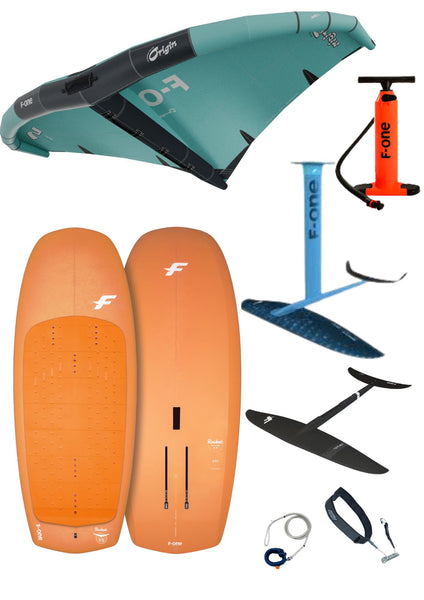
$3,990.00 $5,305.00
Ultimate Wing Foil Package Everything you need to get started on the foil - With...

$3,750.00 $5,305.00
Beginner Wing Foil Package Everything you need to get started on the foil - Saving...
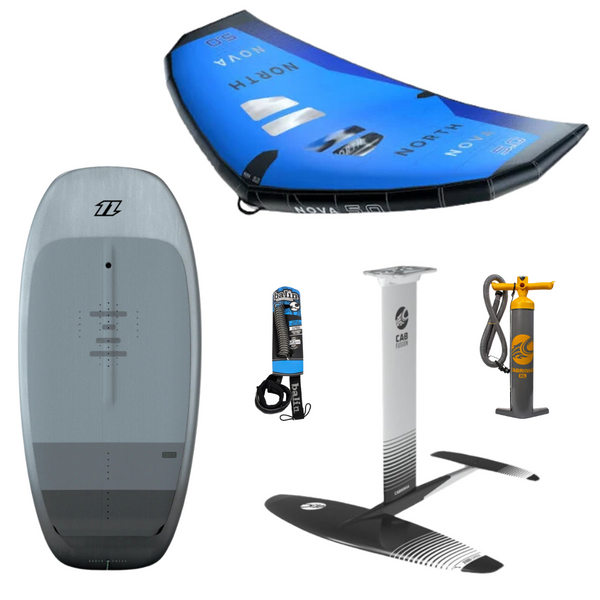
$4,390.00 $6,297.00
Cabrinha Wing Foil Adventure Package Elevate Your Experience with the Cabrinha Wing Foil Adventure Package!...
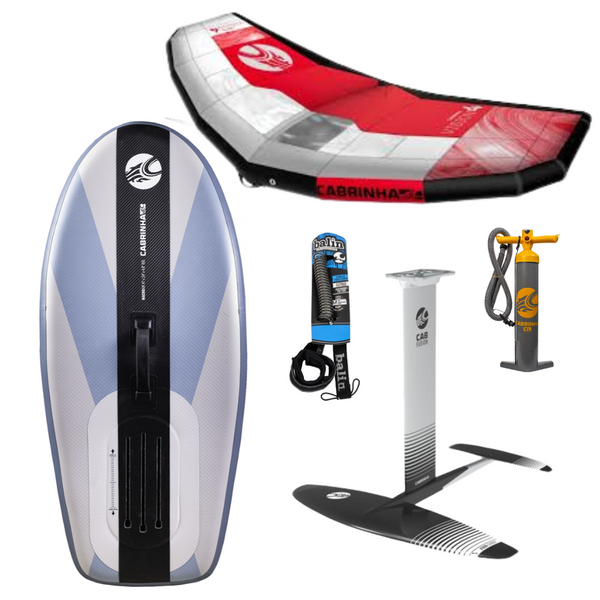
$3,490.00 $5,597.00
Ultimate Cabrinha Wing Foil Package Dive Into Adventure with the Ultimate Cabrinha Wing Foil Package!...
Subscribe to our newsletter and always be the first to hear about what is happening.

© 2026 SHQ Boardsports. Sunshine Coast Boardsports